Site Grading in Hobart: What to Expect Before Construction Begins With Excavation and Grading Contractors
Site grading in Hobart, TAS, is the foundational step that determines whether a construction project succeeds or struggles. Experienced excavation and grading contractors understand that Hobart's hilly blocks, variable soils, and local council regulations mean site preparation is rarely straightforward. This guide explains what grading involves and what property owners across Greater Hobart need to know before earthworks begin.
What Is Site Grading and Why Does It Matter?
Site grading shapes and levels land so it is ready to support a building foundation. It reshapes the existing ground so that drainage flows correctly and the surface is stable enough to carry construction loads. Without proper grading, water can pool around footings, soil can shift under slabs, and the structure above can become compromised over time.
Hobart's topography features steep hillside blocks in suburbs like Sandy Bay, Tolmans Hill, and West Hobart, alongside flatter land in Glenorchy and the Eastern Shore. Each type of block demands a different approach, and the soil beneath adds further complexity unique to Southern Tasmania. Qualified excavation and grading contractors bring the local knowledge needed to navigate these variables effectively.
How Hobart's Dolerite Soil Affects the Grading Process
Hobart's dolerite bedrock, rocky soils, and heavy clay demand specialised equipment and expertise. Jurassic dolerite often sits close to the surface in hilly suburbs, so excavation and grading contractors can encounter hard rock just below the topsoil line.
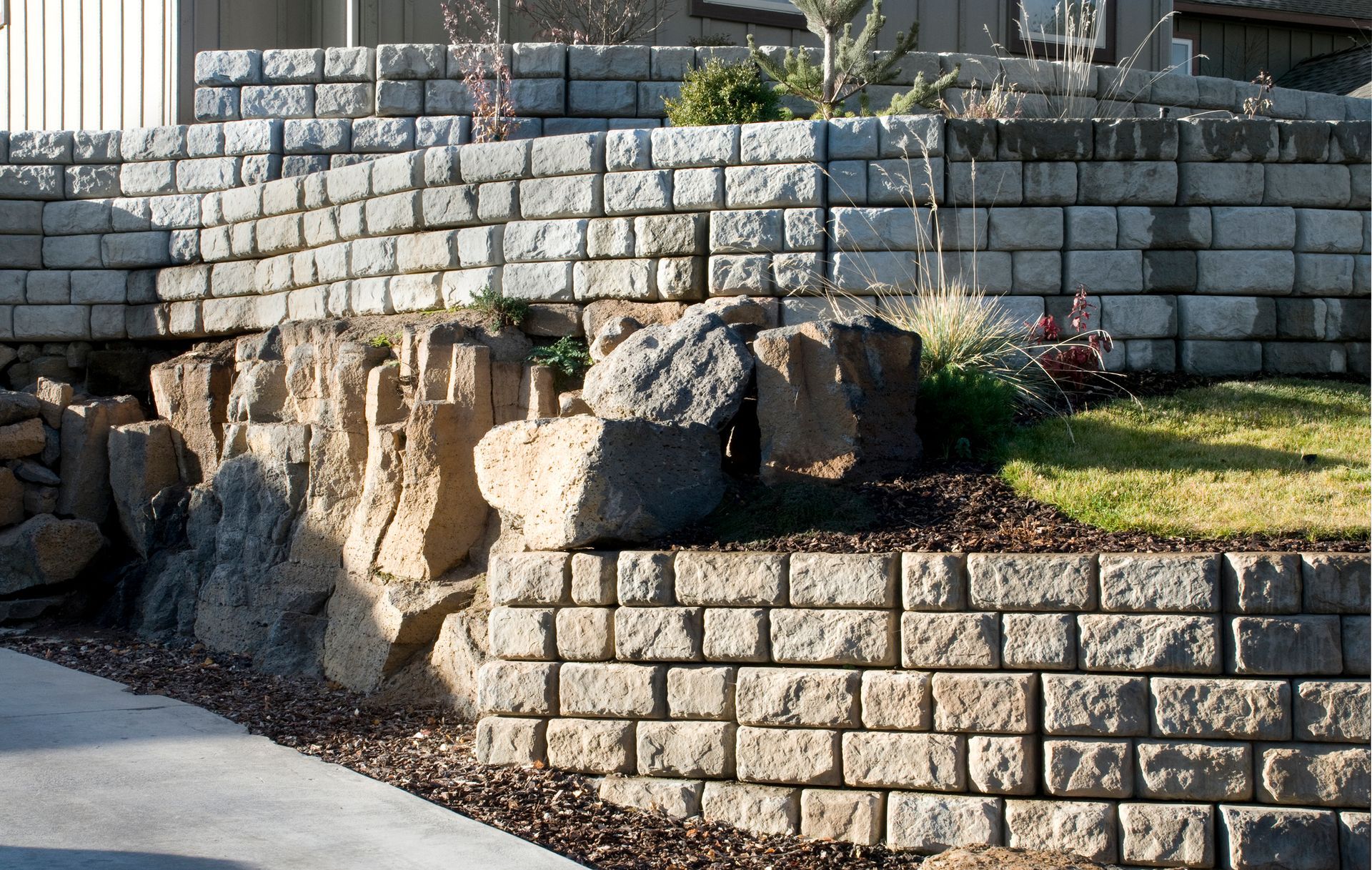
On sloped blocks, contractors typically perform a cut-and-fill operation, redistributing material from the higher side to raise the lower side. Where dolerite is struck, breaker attachments are required to fracture and remove it before grading can continue.
Heavy clay is another factor. Clay expands when wet and contracts when dry, which can shift fill material after grading is complete. Compaction testing may be recommended on clay-heavy sites before footings are poured. Soil composition can vary significantly from suburb to suburb, making a site-specific assessment by experienced excavation and grading contractors important before any work begins.
The Step-by-Step Grading Process
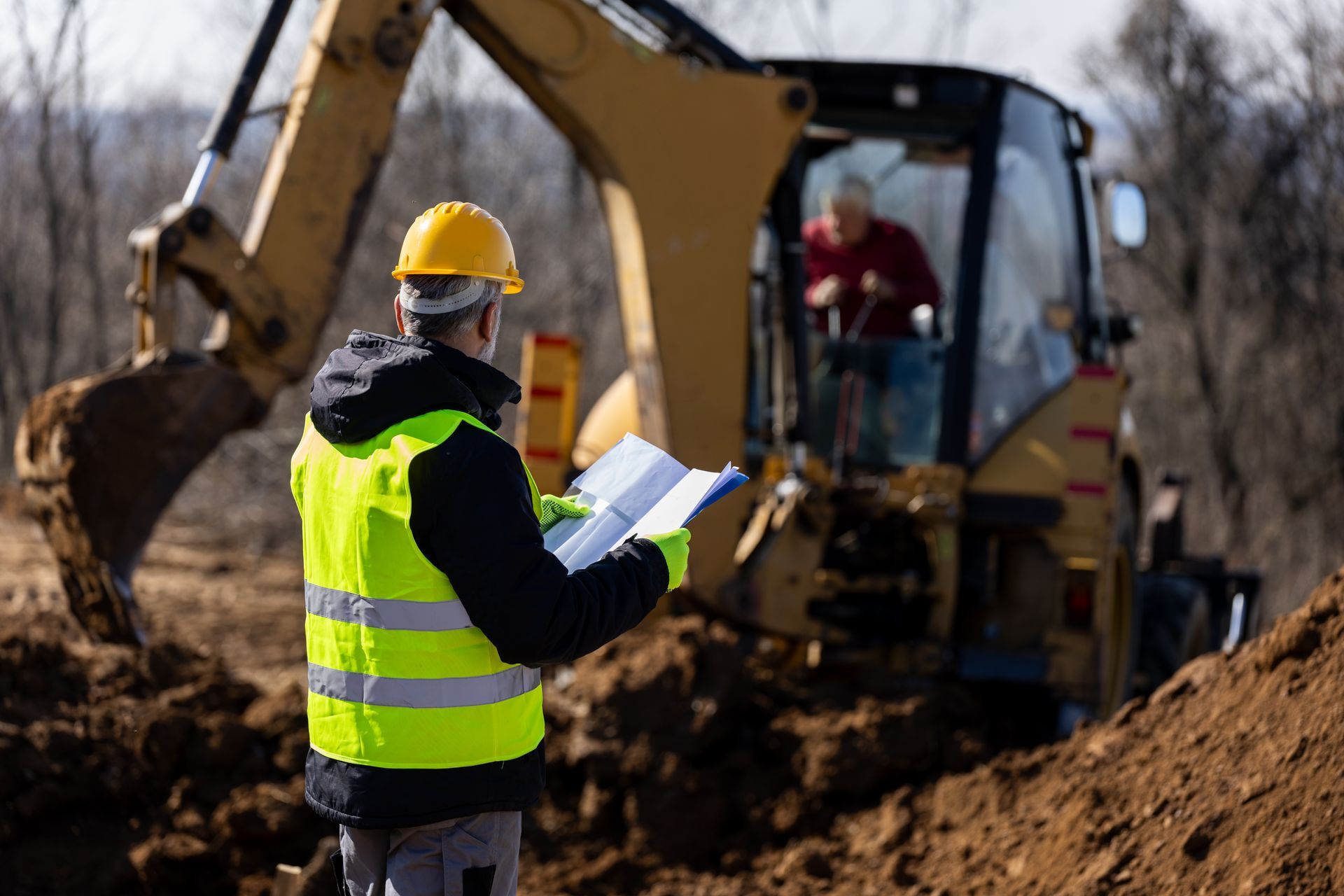
Site survey and assessment. The block is surveyed to establish existing levels and determine how much cut and fill is required, informing machinery selection and material volumes.
Vegetation and topsoil removal. Existing vegetation, tree roots, and topsoil are stripped from the work area. Topsoil is often stockpiled for reuse in landscaping once grading is finished.
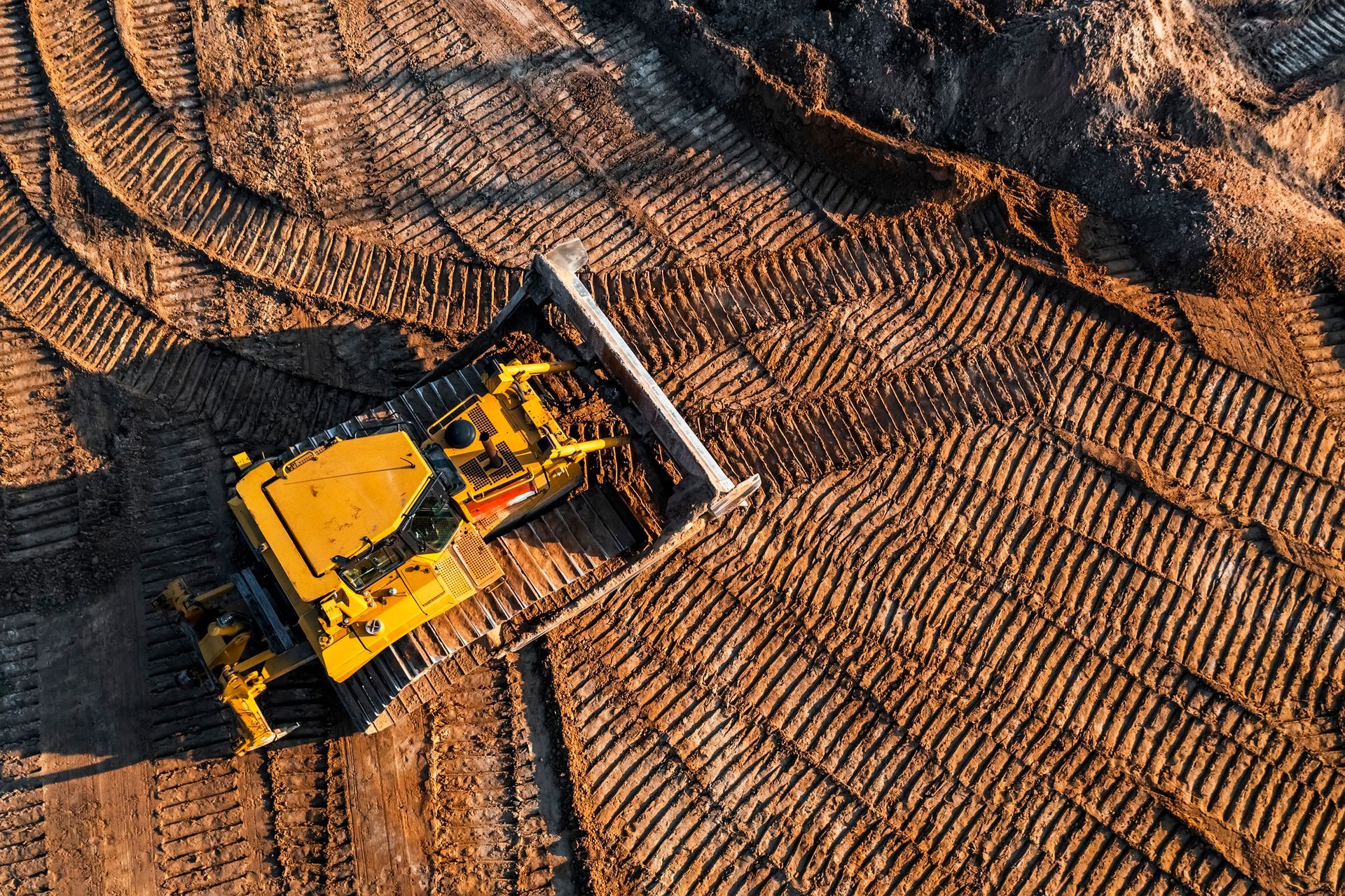
Bulk earthmoving. Excavators and bobcats perform the main cut-and-fill work, reshaping the block to specified design levels. Services such as earthmoving and land clearing can handle this stage comprehensively.
Rock breaking (if required). Where dolerite or other hard rock is encountered, breakers fracture and remove it before grading continues.
Fine grading and compaction. The surface is fine-graded to achieve required levels and drainage fall. Fill material is compacted in layers to meet engineering standards.
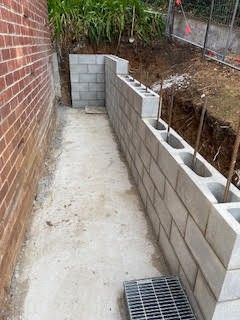
Drainage establishment. Grading is designed so stormwater moves away from the building footprint. On Hobart's hillside sites, this must account for Tasmania's significant annual rainfall to prevent drainage issues. Skilled excavation and grading contractors integrate drainage planning from the outset so nothing is left to chance.
Permits and Approvals in Tasmania
Before grading begins, confirm what approvals you need. In Tasmania, a planning permit, a building permit, or both may be required depending on the scope of earthworks. Site works must not occur until all necessary approvals are in place.
Most residential excavation projects require permits from Hobart City Council, particularly near boundaries, in heritage areas, or where significant earth volumes are disturbed. Soil and water management plans are required where 250 square metres or more of ground will be disturbed.
Hobart City Council and Clarence City Council have specific provisions for earthworks in hilly areas, and landslip hazard overlays apply to many hillside properties. Check your property's overlays early, as these can affect what earthworks are permitted and whether additional engineering reports are required.
Always confirm permit requirements with your local council before committing to a grading programme.
Frequently Asked Questions About Site Grading in Hobart
What Machinery Is Used for Site Grading?
Excavators handle cut-and-fill work on most Hobart sites. Bobcats suit tighter residential blocks where a full-sized excavator cannot manoeuvre. Tip trucks remove surplus material. On sites with hard dolerite, a hydraulic rock breaker attachment fractures the rock before it is cleared. Reputable excavation and grading contractors maintain a fleet capable of handling Hobart's varied site conditions.
What Is the Difference Between Excavation and Grading?
Excavation removes earth to create a void, such as for a footing or basement. Grading reshapes the entire site surface to achieve a desired level and drainage fall. In practice, both processes often happen together during site preparation. Learn more on our excavation contractors page.
How Long Does Site Grading Take in Hobart?
A typical residential block may take one to several days for bulk earthworks. Dolerite removal can extend the programme, so allow contingency time when scheduling construction to follow grading.
Do I Need a Soil Report Before Grading Begins?
A soil report is not always mandatory, but it is strongly recommended on Hobart's variable terrain. Soil testing is often performed before construction or design begins, as it can influence both design and cost. Understanding what is beneath the surface helps excavation and grading contractors select the right equipment and approach.
Ready to Prepare Your Hobart Site?
Proper site grading sets the foundation for everything that follows. Headlam Howlett Excavations is a locally owned team serving Hobart and Greater Southern Tasmania, with decades of experience across residential and commercial earthmoving projects on the region's demanding terrain.
To get your project moving, request a quote or book your site assessment today, or call 03 6260 2452 to speak with the team directly. You can also find Headlam Howlett Excavations on Google Maps to check reviews and get directions.